Air, Sea or Land Freight: Which Is Right for Your Shipment in Saudi Arabia?
Car Transportation: 10 min read
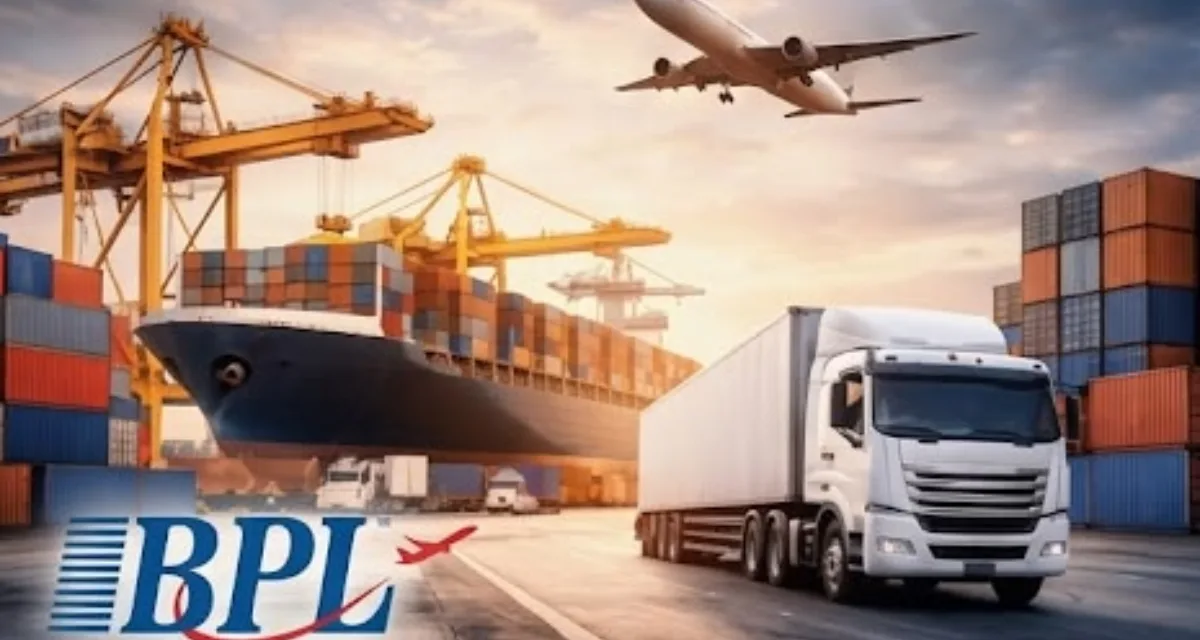
Choosing between air, sea and land freight isn’t as simple as picking the lowest quote. The best freight option for a shipment depends on how quickly the goods are needed, how heavy and bulky they are, where they’re starting and going, and whether they need special handling. Customs and final delivery matter too, because a shipment isn’t finished when it reaches a port or airport. If you’re trying to choose a freight method in Saudi Arabia, this guide explains how each option works so you can match it to your cargo, deadline and budget.
When Does Air Freight Make Sense?
Air freight earns its place when a shipment can’t wait. Go back to the Riyadh workshop: if every day of downtime costs money, paying more to fly in the part can be the cheaper choice overall.
Air works well for urgent shipments, small consignments, time-sensitive goods, high-value products, and anything where speed matters more than the freight rate.
The trade-off is cost. Air freight generally gets more expensive as weight and volume grow, and there can be restrictions on certain goods, plus size and packaging requirements.
Also remember that the flight is only part of the journey. You’ll still have airport handling, customs clearance and transport from the airport to the final address. When you’re weighing air freight in Saudi Arabia, look at the whole journey, not just the flight.
Standard vehicle shipping focuses on volume, moving several ordinary cars on one trailer as cost-effectively as possible. That model breaks down the moment real value is on the line.
- Multi-car carriers optimize for cost per vehicle, not protection per vehicle
- A high-value car has more to lose from a scratch, chip, or interior fade than an everyday sedan
- Luxury car shipping in Saudi Arabia should start from “what does this car need to arrive exactly as it left,” not “how many cars fit on this truck”
- The right approach changes the carrier, the route planning, and the level of communication you should expect
Do You Have to Choose Just One Method?
No, and many shipments don’t. Using more than one mode is called multimodal transport.
Sea + land
cargo sails to a port, then continues by truck to a warehouse or delivery address.
Air + land
goods land at an airport, then travel by road to the customer.
This works because international transport and local delivery often need different solutions. So instead of asking whether air, sea or land is better, ask which combination suits this particular shipment.
Air vs Sea vs Land Freight: The Basic Differences
| Freight method | Best for | Keep in mind |
|---|---|---|
| Air freight | Urgent and high-value goods, where speed matters most | Usually costs more |
| Sea freight | Large and heavy international cargo, where capacity matters most | Takes longer |
| Land freight | Domestic and regional shipments, where flexible delivery matters most | Route and distance matter |
These are general patterns, and your actual cost and timing will depend on the route and the cargo.
When Is Sea Freight a Better Fit?
Sea freight is built for volume. A ship can carry far more than an aircraft, which is why it remains central to international trade.
It’s often considered for large shipments, heavy or bulky cargo, containerised goods, regular commercial imports and exports, and vehicle shipping from Saudi Arabia or other automotive cargo.
The advantage is capacity. If you’re bringing in a large quantity of goods, moving everything by air is rarely practical. The cost is time, so sea freight suits shipments you can plan ahead for.
There are stages after the vessel arrives too: port handling, customs clearance, container handling and road transport to the warehouse, showroom or customer. That’s why a low sea freight rate on its own can give an incomplete picture of the total cost.
How to Decide Which Freight Method to Use
There’s no single formula, but five questions get you most of the way.
How quickly do you need it?
Work from the date you actually need the goods, not from the fastest option available. If there’s flexibility, sea or land may be more economical.
How large and heavy is it?
A few boxes of parts and several pallets of machinery are very different jobs. Large or heavy cargo usually points to sea or land, while small time-sensitive consignments often suit air.
Where is it going?
A shipment from overseas needs air or sea for the international leg, while a move from Riyadh to Jeddah can usually be handled by road. Some shipments need more than one method.
What is your real budget?
Don’t compare headline freight rates alone. Look at pickup, port or airport handling, customs clearance, documentation, inland transport, warehousing and final delivery. A slightly higher rate can be better value if it gives you a simpler overall arrangement.
What are you shipping?
Clothing, automotive parts, machinery and a complete vehicle each have different handling needs, and some goods carry customs or regulatory requirements. If you’re unsure, check with ZATCA and the relevant authorities before booking.
Why Freight Forwarding Matters
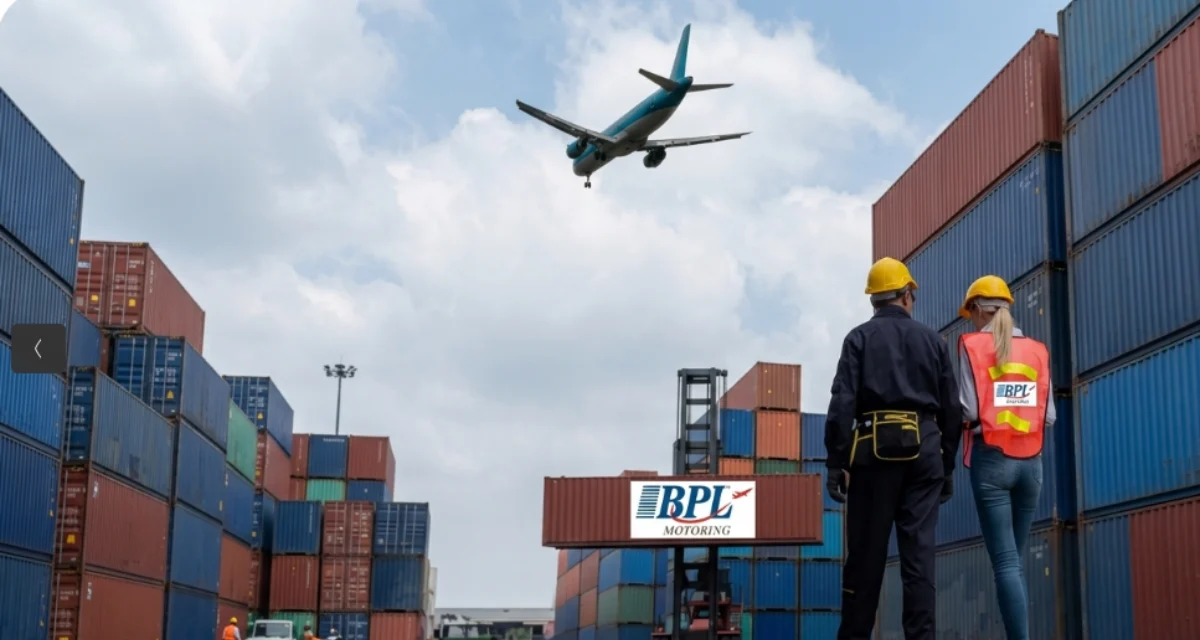
Moving cargo is more than loading goods onto a ship, plane or truck. Depending on the shipment, someone has to coordinate pickup, export documents, international shipping, port or airport handling, customs clearance, inland transport, storage and final delivery.Having these stages organised together makes communication easier and gives you a clearer view from pickup to delivery.
It won’t remove every delay, because customs checks, port conditions and carrier schedules are outside any provider’s control. But good coordination helps prevent avoidable problems, especially when several companies are involved. Also note that freight forwarding and customs clearance aren’t always bundled, so confirm what’s included before booking.
Mistakes to Avoid When Transporting a Luxury Car
A few avoidable mistakes account for most of the problems that come up during vehicle transport.
🔹 Not photographing the car thoroughly before pickup
🔹 Leaving personal belongings or valuables inside
🔹 Skipping written notes on existing scratches or marks
🔹 Choosing the cheapest quote without checking what it excludes
🔹 Not confirming insurance coverage limits in advance
🔹 Failing to inspect the vehicle carefully at delivery before signing off
Common Mistakes to Avoid
- Choosing on price without checking what’s included
- Leaving too little time for delivery
- Giving inaccurate weight or size details
- Forgetting the paperwork customs will need
- Picking a transport type before checking the route
- Planning the international leg but ignoring delivery inside the country
- Not mentioning special handling needs
- Comparing freight rates instead of the full logistics cost
- Assuming one method suits every shipment
A Simple Checklist Before You Request a Quote
Have these ready, and comparing shipping methods in Saudi Arabia gets much easier:
- Type of goods
- Weight and dimensions
- Pickup location
- Delivery location
- Date needed
- Special handling requirements
- Customs documents and requirements
- Port or airport requirements
- Inland transport needs
- Whether storage is needed
- Your logistics budget
How Can BPL Motoring Help?
BPL Motoring helps businesses manage transport and related logistics for shipments in Saudi Arabia. Depending on the movement, support can include freight forwarding, international shipping, vehicle transportation, commercial transport, port coordination, customs clearance coordination, inland transportation, storage where needed and final delivery.
With more than 27 years of experience behind BPL Group, our team looks at the whole journey rather than treating transport as a single step.To be clear about what we can’t control: customs and port authorities make their own decisions, so we don’t promise customs outcomes, fixed delivery times or set prices.
If you’re not sure which option to use, send us the type of goods or vehicle, where it’s coming from and going to, approximate weight and size, and when you need it. That’s enough to start a useful conversation about your options.
Frequently Asked Questions
Which freight method is best for shipments?
Air freight is usually best when speed matters most. The right choice still depends on the goods, route, cost and handling needs.
Is sea freight cheaper than air freight?
It can be, especially for larger shipments, but not always. Compare the total cost, including handling, customs, inland transport and final delivery.
When is land freight useful in Saudi Arabia?
It’s often used for shipments within the country, GCC movements, and deliveries where direct pickup and drop-off matter.
Can large shipments be sent by air?
Yes, but weight, size and cost become bigger factors as the shipment grows. Sea or land may suit large items better.
Can vehicles be shipped by sea?
Yes. Vehicles can move by sea using options like Ro-Ro or containers, depending on the vehicle, route and shipping requirements.
Let’s Move Your Requirement Forward
Tell us what you need to transport, move or coordinate. Our team will help you with the next step.